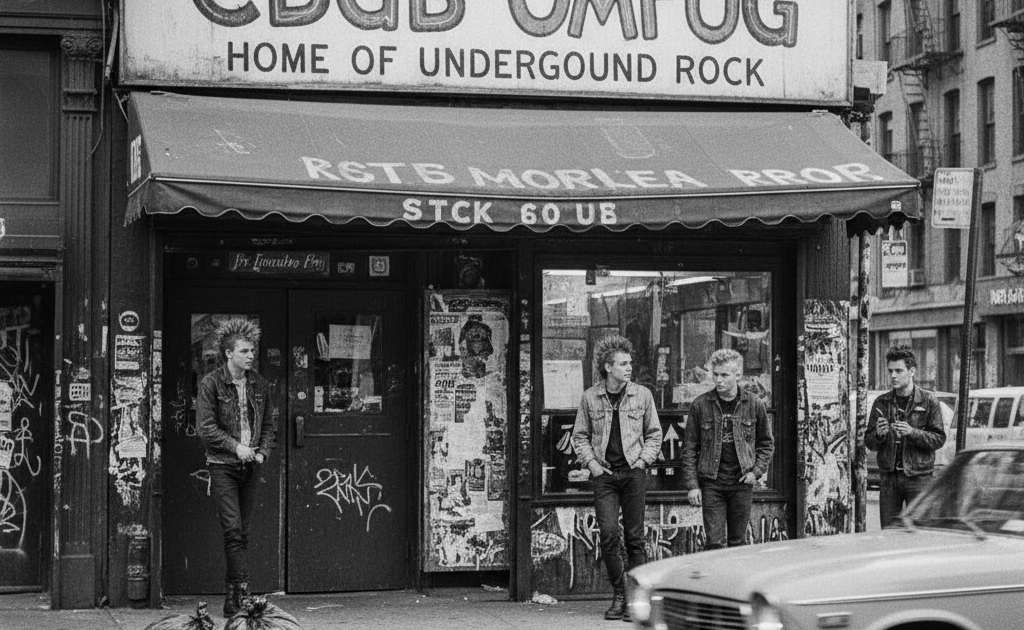
New York City punk was never supposed to be comfortable. From CBGB to the Mudd Club, places like these were cramped, dirty (anyone else use the bathroom at CB's), loud and cheap enough for bands with more attitude than money to get onstage. They became incubators for a scene that helped redefine American music and downtown culture.
But the neighborhoods that gave birth to that scene have changed dramatically.
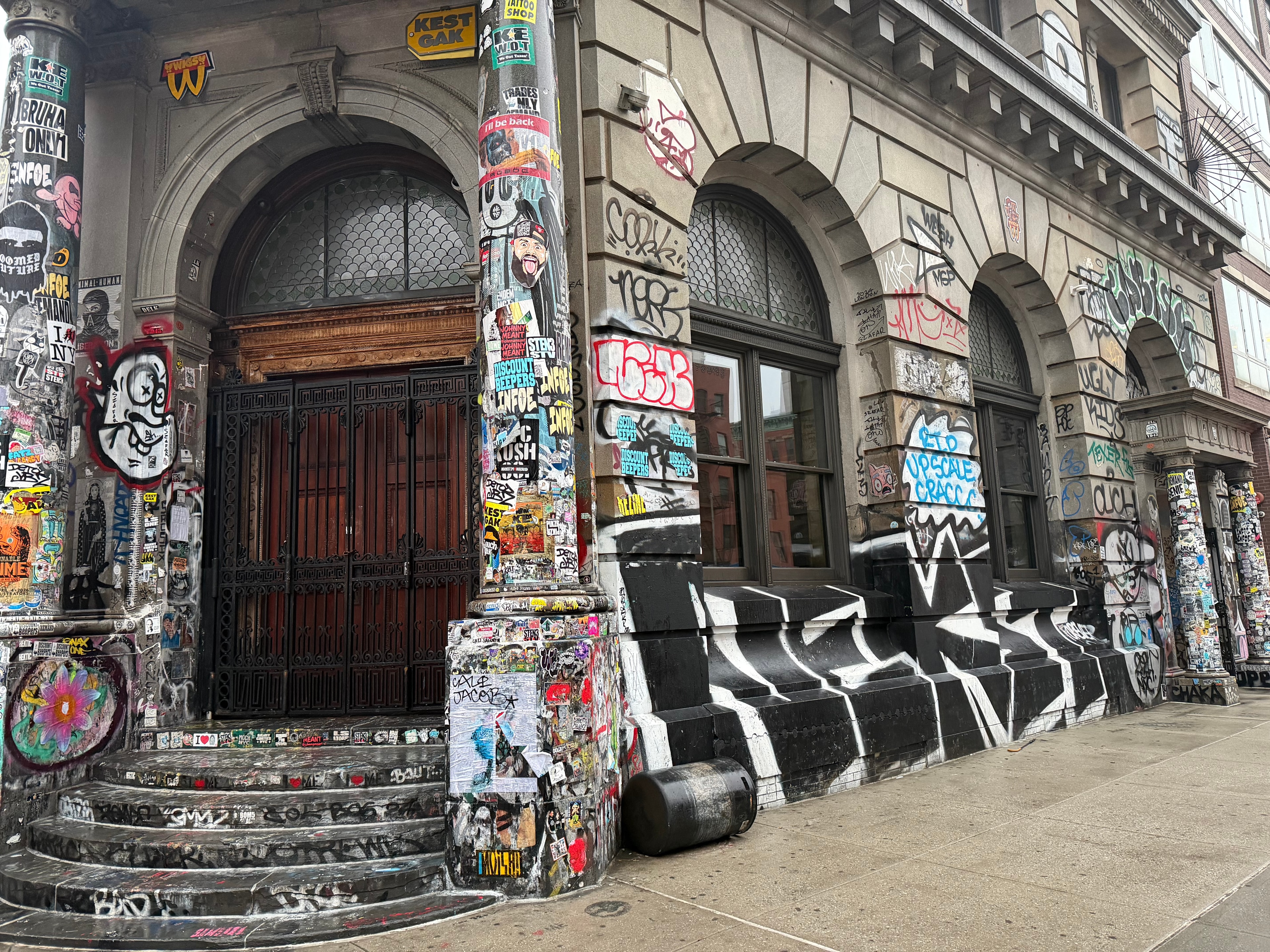
The Lower East Side, the Bowery (still my haunt) and the East Village have experienced decades of rising rents, luxury development and commercial transformation. Buildings that once housed struggling artists and independent venues now sit alongside expensive apartments, boutique hotels and high-end restaurants. The economics of simply operating a small club have become increasingly difficult.
The irony isn't lost on punk fans: a culture built around rejecting the establishment helped make the neighborhoods around it culturally valuable — and therefore more expensive.
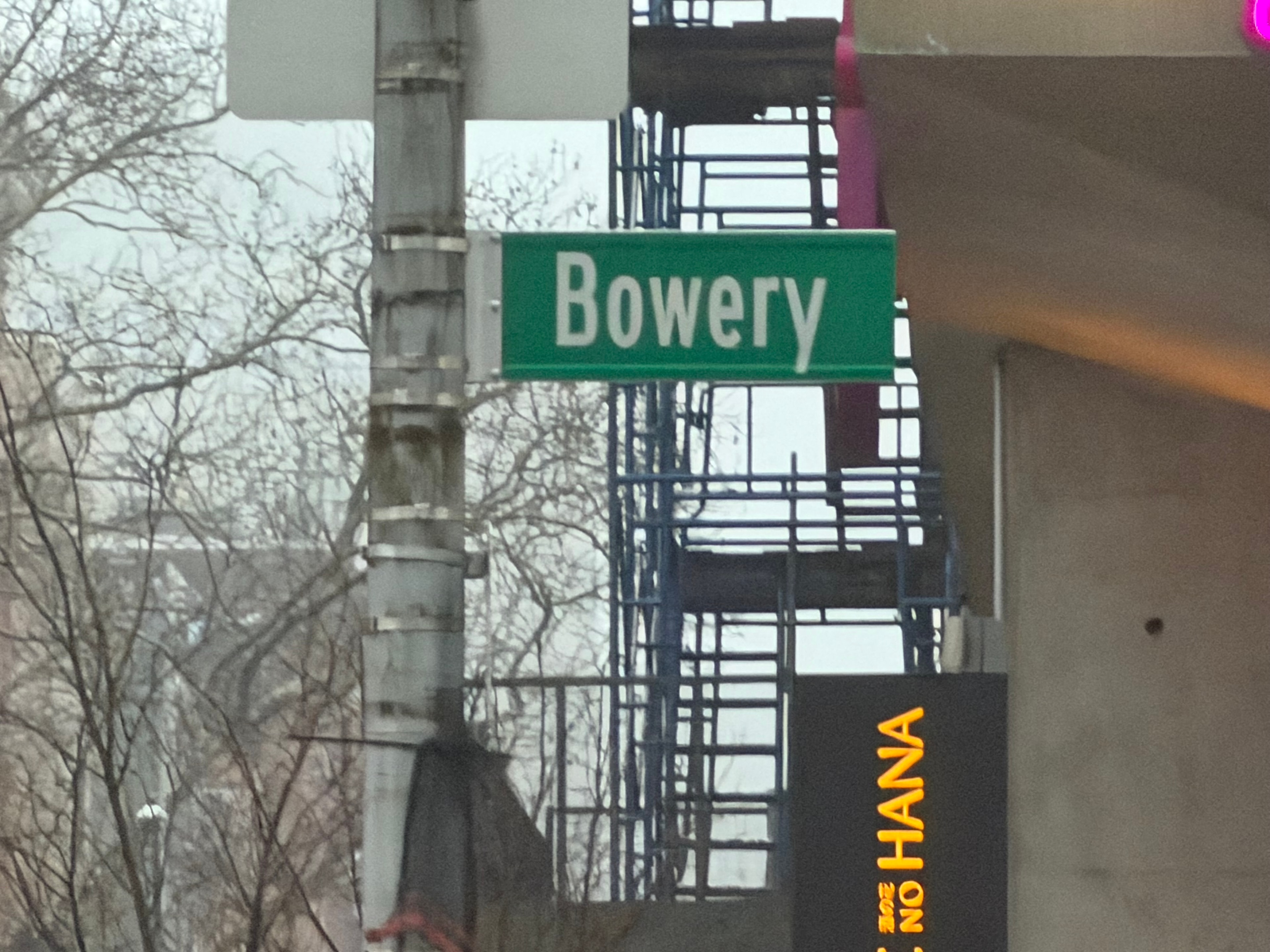
CBGB closed in 2006 after a long-running dispute over rent. The club's former Bowery location eventually became a high-end retail space. Other legendary venues have disappeared, relocated or survived in altered forms, while the surrounding streets have become increasingly attractive to developers and tourists.
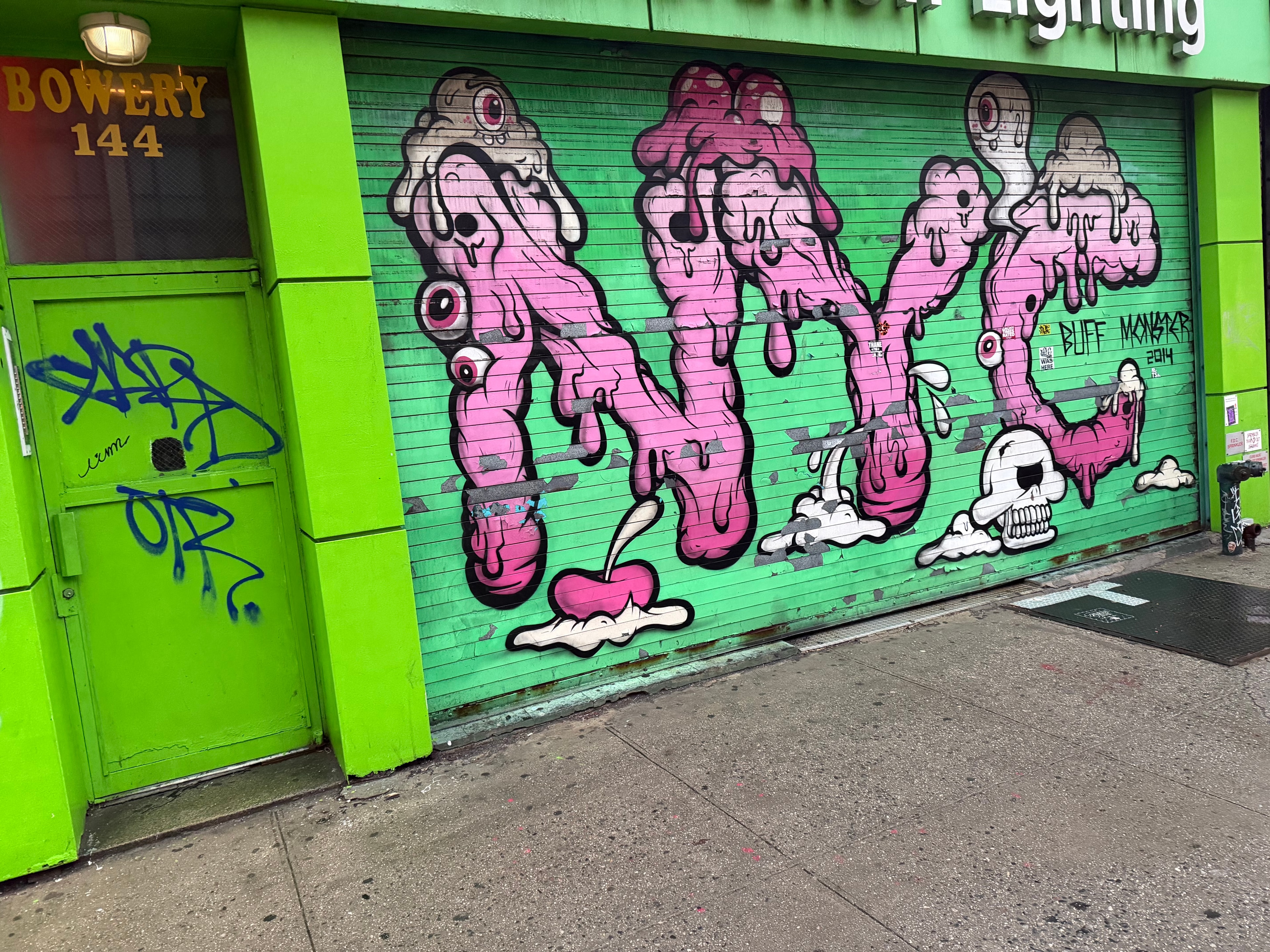
Of course, gentrification isn't the only reason punk venues disappear. Rising operating costs, changing nightlife regulations, noise complaints, declining attendance and the economics of live entertainment all play a role. But the result is familiar: the cheap, unpredictable spaces where subcultures once flourished become harder to maintain.
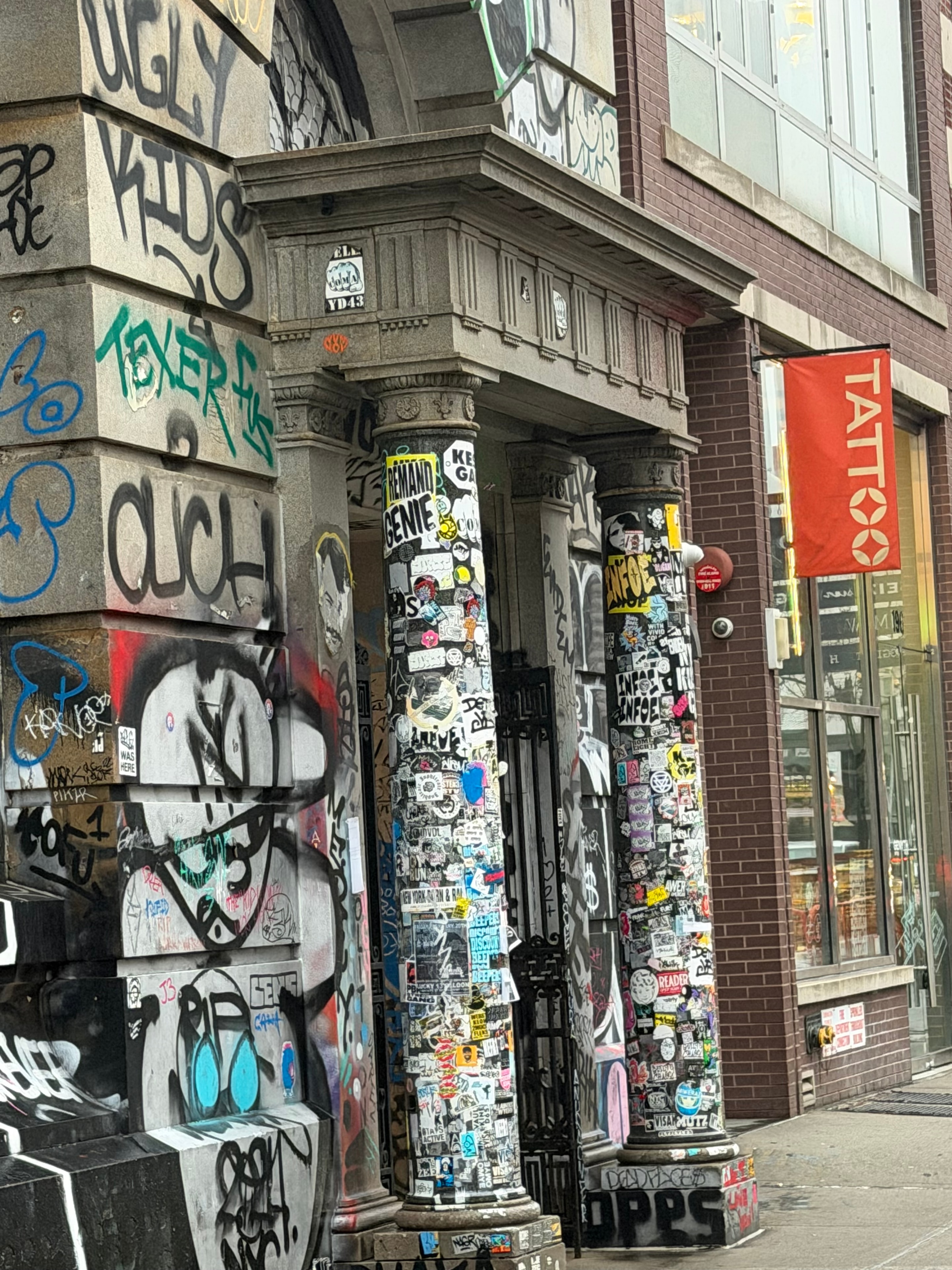
New York's punk scene hasn't disappeared. It has migrated, adapted and reinvented itself in new venues and neighborhoods.
Still, there's something fitting — and slightly tragic — about the city's punk history. The music that once screamed at New York's establishment helped create a cultural legacy that the establishment eventually learned how to sell.