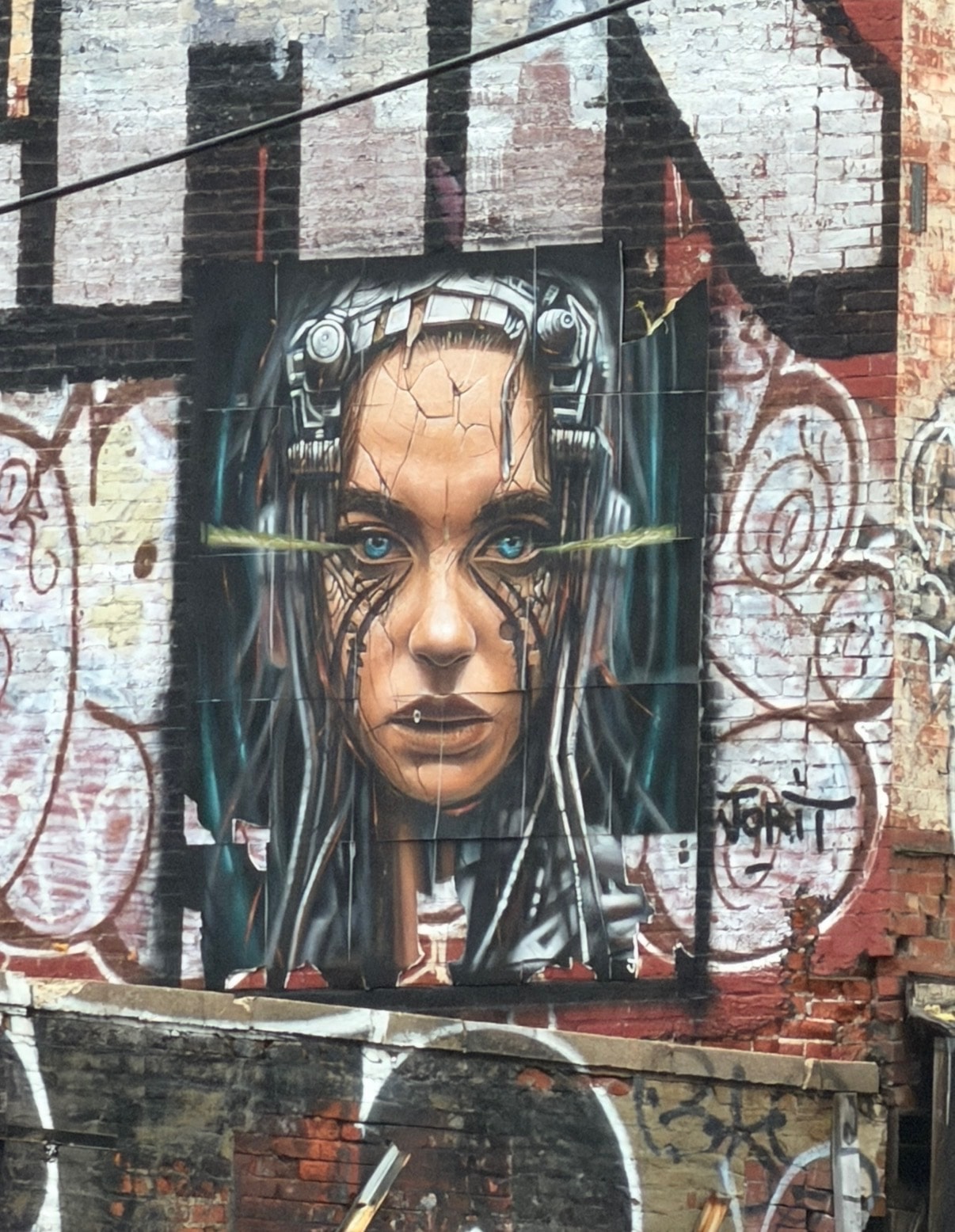
There was a time when the Bowery didn’t need a publicist. It was dirty, loud, dangerous, cheap — and alive (my tinder profile reads exactly the same way).
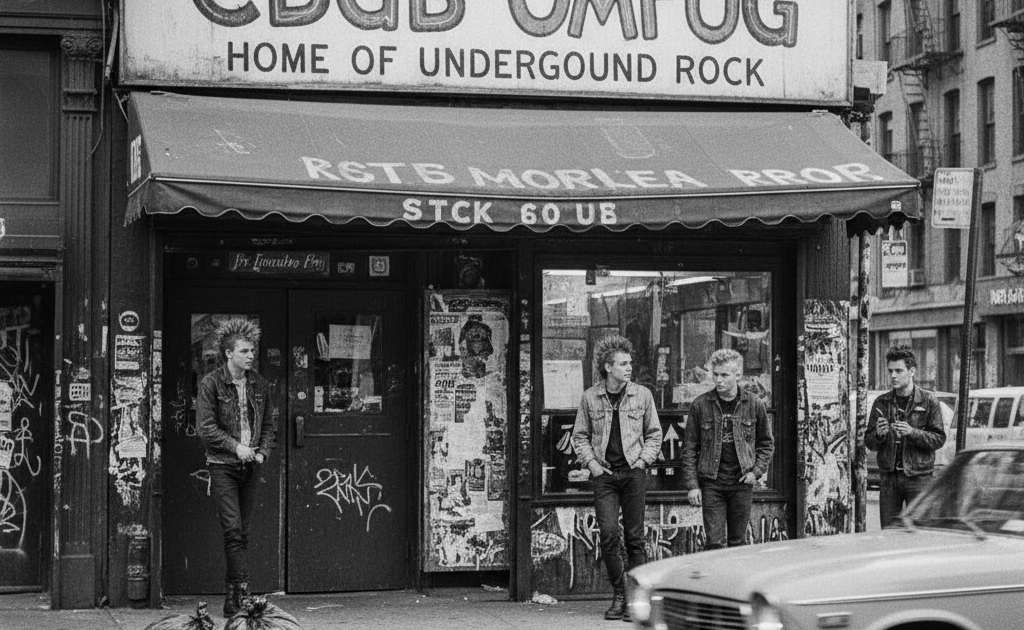
The streets around the Bowery became a breeding ground for the kind of art that didn’t ask permission. Punk bands blasted through tiny clubs, artists painted on whatever they could find, photographers documented the chaos, and outsiders found a place where being weird wasn’t a liability — it was practically a job requirement.
CBGB became the most infamous clubhouse of the scene (if you used the bathroom at CB’s, COVID was not a concern), while the surrounding streets provided the backdrop. The Bowery wasn’t polished, and that’s exactly what made it attractive (again, pulled right from my tinder). You could stumble across a musician, painter, junkie, poet, or future art-world celebrity without knowing which was which.
Then came the money.
The cheap spaces disappeared. Buildings were renovated. Luxury apartments and upscale businesses moved in. Galleries became more polished, and the neighborhood’s rough edges were gradually sanded down. The Bowery didn’t stop being an art district — it became an art district that could afford the rent.
That’s the irony of the Bowery today. The neighborhood still attracts galleries and artists, but much of the danger and desperation that once fueled its creative identity has been replaced by something far more respectable.
Punk was never supposed to be respectable.
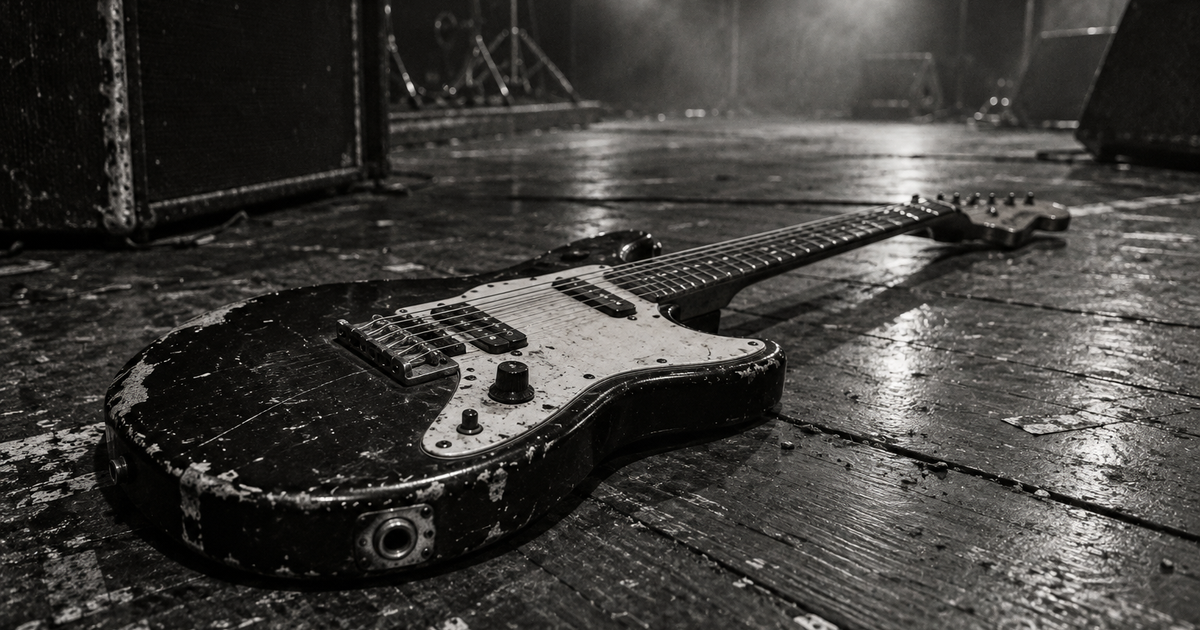
The old Bowery was a place where art could be ugly, angry, broke, offensive, funny, or completely incomprehensible. It didn’t need a grant, a brand consultant, or a luxury storefront. It just needed a basement, an amplifier, a spray can, and somebody willing to piss off the neighbors.
Today’s Bowery may be cleaner, wealthier, and more fashionable. But beneath the polished storefronts is the ghost of a neighborhood that once proved one of New York’s greatest artistic truths:
Give outsiders a cheap place to create, and eventually the world will come looking for them.